



 How Voltaren Helps Athletes Recover Faster
How Voltaren Targets Inflammation at Injury Site
A sprinter limps off the track, breath quick, mind racing; relief arrives when a teammate offers a tube and a simple routine begins. Topically applied gel seeps through skin to reach sore tissue and interrupt the pain-inflammation cycle at its source.
Unlike systemic pills, the gel concentrates the active ingredient where it's needed, meaning lower overall exposure while maintaining potent local effect. Athletes notice faster reduction in swelling and improved range of motion during rehab sessions.
Clinical studies support topical NSAIDs for soft tissue injuries, showing similar efficacy to oral options for targeted relief. This evidence helps coaches and medical staff craft return-to-play plans that balance performance and definately reduce risk.
Application technique matters most.
| Benefit | Effect |
|---|---|
| Localized delivery | Reduced swelling |
Topical Versus Oral Use: Faster Relief Explained
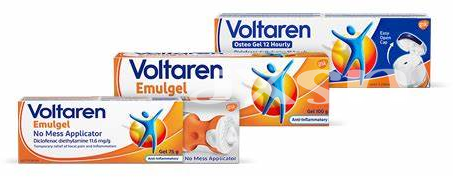
After a hard sprint, an athlete often reaches for a quick fix: a dab of gel that cools and soothes the sore spot. Topical voltaren feels immediate, focusing relief on the injured tissue without flooding the whole body, and that immediacy changes recovery psychology as much as pain levels.
Scientifically, topical formulations deliver NSAID through the skin to reduce prostaglandin-driven inflammation at the site, creating higher local concentrations than many oral doses can achieve quickly. Oral medications may take longer to concentrate in the injured area and carry greater systemic exposure and side effects.
Occassionally athletes combine topical voltaren with brief oral therapy and rehab, but persistent swelling or weakness warrants professional medical evaluation promptly.
Real Athlete Stories: Recovery Wins with Voltaren
After a pulled hamstring at a regional meet, a sprinter found she could manage training sooner by adding a topical anti-inflammatory to her routine. Applying voltaren to the affected area twice reduced swelling and focal pain, letting her do modified drills within days and regain confidence faster.
A cyclist who battled persistent knee irritation shared that targeted topical use during recovery weeks cut reliance on oral painkillers. Relief was local, predictable, and rehab sessions became more productive. Coach notes that progress occured sooner than expected, helping the rider maintain fitness without overuse.
These stories aren't miracle cures but practical examples of how timely application can speed symptom control and rehab. Athletes report improved functional recovery and less downtime when voltaren is combined with guided physio. Always pair treatments with expert assessment to ensure safe, effective plans tailored to individual experiance.
Smart Timing and Application for Accelerated Healing
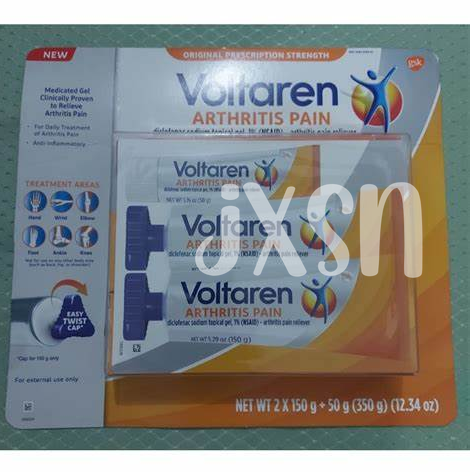
After a sprain, athletes who blend rest, targeted movement and timely topical care often bounce back quicker. Applying voltaren within the first 48 hours can reduce local inflammation while short, guided mobility prevents stiffness. Think of it like cooling a hotspot — immediate attention eases pain so rehab can begin sooner, and any therapist will stress consistency over sporadic application.
Timing matters: apply before light sessions to ease discomfort, not to mask severe pain that signals more damage. Use small, frequent doses as directed and wrap with compression or ice when advised. Occassionally delaying treatment by even a day can prolong swelling; coordinating with coaches and clinicians ensures treatments Acomplish recovery goals without hiding warning signs.
Safe Use, Risks, and When to Consult Professionals
After a hard practice, an athlete reached for voltaren to cut pain and get moving again. The story is familiar: inflammation limits training, sleep and confidence. Using topical anti-inflammatory gel can be a targeted bridge while physiology catches up and rehab work restores function.
Still, users must heed directions and spot red flags. Apply sparingly, avoid broken skin, and watch for rash, swelling or systemic symptoms that suggest allergy or deeper injury. If pain persists beyond a few days or function declines, consult a clinician rather than masking a serious problem.
Follow dosage guidance and pair treatment with rest and guided exercises to avoid recurrence. Teh goal is symptom control enabling therapy, not long-term dependence on medication alone. Occassionally blood-thinning medications or underlying conditions mean topical options need medical review before use. Athletes should document changes and seek medical advice.
| Sign | Recommended Action |
|---|---|
| Worsening pain | See clinician |
| Rash or swelling | Discontinue and consult |
Combining Voltaren with Rehab: Maximize Return to Play
After a sprain athletes use diclofenac gel to quiet pain so they can target exercises; the local anti-inflammatory effect helps mobility sooner and limits systemic effects. Occassionally therapists add icing to control swelling and improve comfort. NHS diclofenac PubChem diclofenac
Apply a thin layer to clean skin 30–60 minutes before rehab or after sessions to ease soreness; follow label instructions and clinician guidance. This timing can increase adherence to loading and speed functional gains. NHS diclofenac PubChem diclofenac
Voltaren supports rehab but doesn't replace therapy; coordinate with therapists, watch for skin reactions, and stop if systemic symptoms occur. Consult clinician promptly for complex injuries or if pain persists beyond expected healing. NHS diclofenac PubChem diclofenac